Market Intelligence
# How Long Does It Take to Sell a Yacht?
By Dan Ribeiro, CPYB — The Yacht Trader · 2026-04-08
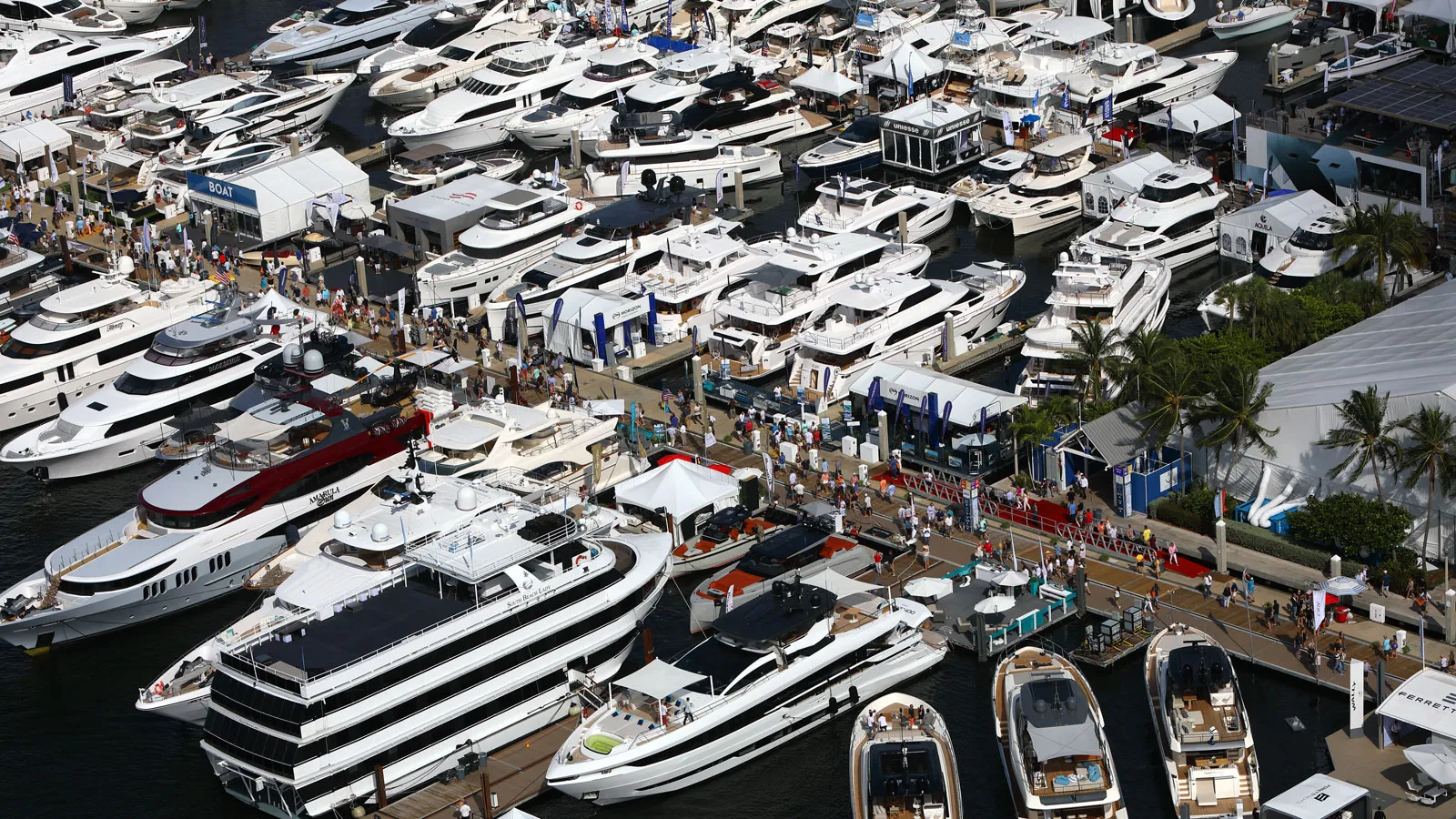
Today’s yacht market operates very differently than it did in the **1990s**, the **2010s**, and even **five years ago**. Understanding that shift is the difference between a clean sale and a prolonged listing.
The Timeline Has Changed — And So Has the Luxury Market
By Dan Ribeiro, CPYB
The Yacht Trader
The question sounds simple:
How long does it take to sell a yacht?
The answer depends on three variables:
- Price
- Positioning
- Market cycle
Ignore any one of them, and a yacht can sit for years.
Understand all three, and it can sell in weeks.
Today's yacht market operates very differently than it did in the 1990s, the 2010s, and even five years ago.
Understanding that shift is the difference between a clean sale and a prolonged listing.
The Short Answer: Typical Yacht Selling Timeline
Modern Yacht Market (2020–2026)
| Yacht Type | Average Days on Market |
|---|---|
| Production Yachts (40–70 ft) | 90–180 days |
| Premium Production (70–100 ft) | 120–240 days |
| Semi-Custom (100–160 ft) | 6–12 months |
| Full Custom Superyachts (160 ft +) | 12–36 months |
These are averages.
Well-priced yachts sell faster.
Overpriced yachts become invisible.
The First 30 Days Determine Everything
The biggest misconception among yacht sellers:
Time doesn't create buyers. Visibility does.
The first 30–45 days are critical because:
- The listing is new
- Brokers alert qualified buyers
- Databases push the listing
- Market curiosity is highest
If a yacht doesn't generate:
- Showings
- Broker calls
- Serious inquiries
Then the market has already spoken.
From that point forward, you're chasing momentum instead of creating it.
The 90-Day Rule
In today's market:
- 0–30 days: Discovery phase
- 30–60 days: Buyer evaluation phase
- 60–90 days: Offer window
If no serious offers arrive within 90 days, the issue is usually:
- Price too high
- Poor positioning
- Market mismatch
- Weak presentation
This is where many listings stall.
How the Yacht Market Has Changed Since the 1990s
In the 1990s, yacht sales moved slowly — but for a different reason.
1990s Market Characteristics
- Limited listing databases
- Broker-controlled information
- Regional buyer pools
- Slower communication
- Fewer comparable sales
Back then:
- Buyers relied heavily on brokers
- Information asymmetry favored sellers
- Time to sell was naturally longer
A yacht sitting for 12–24 months wasn't unusual.
It wasn't necessarily a problem.
It was simply how the market functioned.
The 2010s: The Transitional Period
By the 2010s, the market changed dramatically:
- YachtWorld centralized listings
- Digital photography improved
- International buyers increased
- Market transparency improved
This created:
- Faster discovery
- Faster comparisons
- Faster decisions
Typical selling timelines began shrinking:
- Production yachts: 6–12 months
- Superyachts: 12–24 months
Buyers became more informed.
Sellers lost the informational advantage.
Today's Market: The Age of Instant Comparisons
The modern yacht buyer operates differently:
- Multiple listings open simultaneously
- Price comparisons happen instantly
- Survey histories circulate faster
- Broker reputations are searchable
- Market data is increasingly transparent
The result:
Overpriced yachts are filtered out immediately.
In the past:
- Buyers discovered overpriced yachts slowly
Today:
- Buyers never discover them at all
This is the single biggest shift in the modern luxury yacht market.
The Luxury Market Has Also Changed
The luxury buyer today is different from that of the 1990s and even the 2010s.
1990s Luxury Buyer
- Often first-generation wealth
- Relationship-driven decisions
- Longer decision timelines
- Less access to information
2010s Luxury Buyer
- Global wealth expansion
- Tech-enabled research
- Faster decision-making
- Growing charter-to-ownership pipeline
Today's Luxury Buyer (2020–2026)
- Financially sophisticated
- Asset-focused
- Data-driven
- Liquidity conscious
Modern buyers evaluate yachts as:
- Assets
- Lifestyle tools
- Depreciating capital
Not just luxury purchases.
This changes how quickly they act.
And how quickly they walk away.
Why Some Yachts Sell in Weeks
Fast-selling yachts usually share these traits:
Correct Pricing
Not aspirational pricing.
Market-aligned pricing.
Strong Presentation
- Professional photography
- Clean maintenance history
- Organized documentation
Proper Broker Network
Global exposure matters.
Realistic Seller
Flexible sellers close faster.
Why Some Yachts Sit for Years
Long-term listings usually involve:
- Overpricing
- Emotional attachment
- Poor maintenance
- Weak broker exposure
- Limited showing availability
The market doesn't punish these yachts.
It simply ignores them.
The Hidden Factor: Market Cycles
Market timing matters.
Seller's Market (2020–2022)
- Low inventory
- Fast sales
- Multiple offers
Balanced Market (2023–2026)
- More inventory
- Slower decisions
- Price sensitivity
Today's buyers negotiate harder.
Sales take longer.
Pricing discipline matters more than ever.
The Most Accurate Answer
How long does it take to sell a yacht?
Well-priced yachts:
30–120 days
Average listings:
3–9 months
Overpriced listings:
12–36 months
Custom superyachts:
12–36 months (sometimes longer)
The Reality Most Sellers Discover
Time does not improve a yacht's value.
Time increases:
- Maintenance costs
- Depreciation
- Market competition
The best-selling yachts enter the market:
- Correctly priced
- Properly positioned
- Professionally marketed
And they sell before they become stale.
The Market Has Become More Efficient
In the 1990s:
- Time sold yachts
In the 2010s:
- Exposure sold yachts
Today:
- Pricing + data + positioning sell yachts
This is why understanding the modern timeline matters.
Because in today's market,
speed is not luck — it's strategy.