Buyer Guidance
Beyond the Survey: The Due Diligence Process Most Buyers Skip
By Dan Ribeiro, CPYB — The Yacht Trader · 2026-03-14
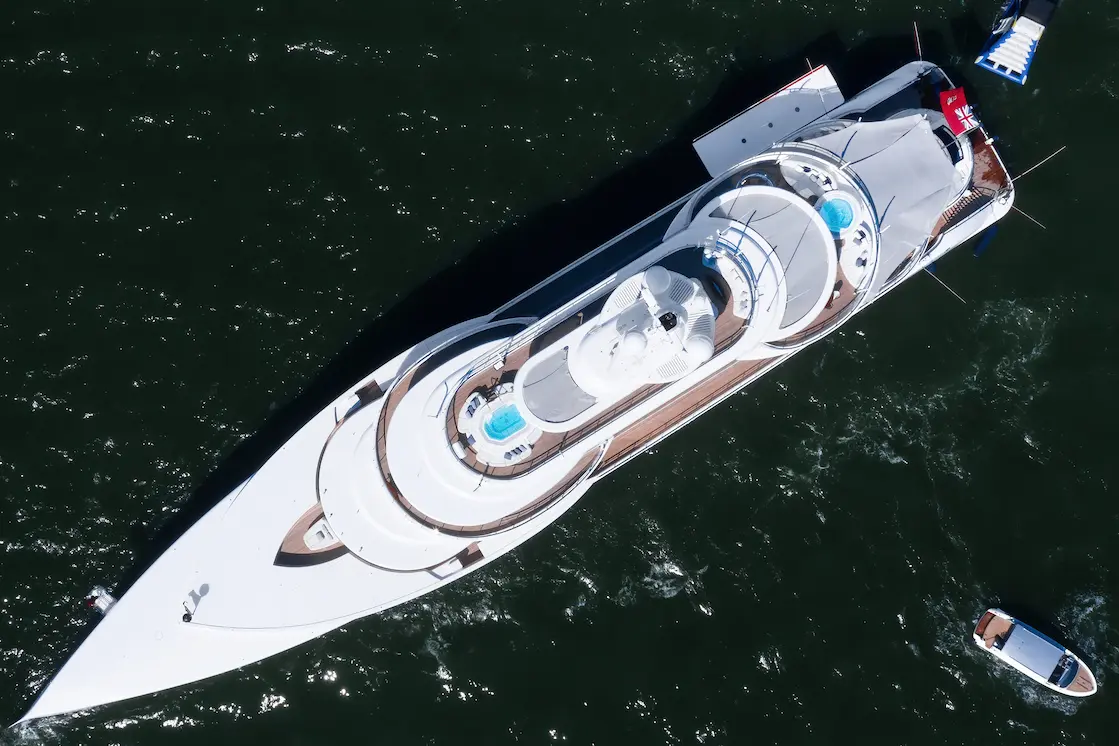
A marine survey is necessary — but it is not sufficient. The buyers who close with confidence run a due diligence process that extends well beyond the surveyor's report. Here is what that process looks like.
There is a version of yacht due diligence that most buyers run: they hire a surveyor, review the report, negotiate on the findings, and close. That process is better than nothing. It is not enough.
The buyers who avoid expensive surprises — the ones who close cleanly and own their vessels without ongoing legal or mechanical drama — run a more complete process. Here is what that looks like.
Layer 1: The Survey — What It Actually Covers
A marine survey from a qualified NAMS or SAMS surveyor covers the vessel's physical condition at the time of inspection. That includes structural integrity, mechanical systems, safety equipment, electrical systems, and a general assessment of maintenance standard.
What a survey does not cover:
- The vessel's ownership and title history
- Existing maritime liens or yard bills
- Whether the vessel matches its documented specifications
- The seller's legal authority to convey title
- Outstanding warranty or insurance claims
- The vessel's actual operational history
Treating the survey as the entirety of due diligence is one of the most common mistakes buyers make. The survey tells you what condition the vessel is in today. It tells you almost nothing about what is attached to it legally or financially.
Layer 2: Title and Lien Search
Before you close on any vessel above $500K, a title search is not optional. For US Coast Guard documented vessels, this means a search of the USCG National Vessel Documentation Center for recorded liens, preferred ship mortgages, and documentation history.
What you are looking for:
- Preferred ship mortgages: These are maritime liens that travel with the vessel, not the owner. If the previous owner financed the yacht and the lien was not properly released at their closing, you can inherit it.
- Yard liens and repair bills: Boatyards have the right to file maritime liens for unpaid work. These are not always recorded promptly and can surface after your closing.
- Documentation gaps: Breaks in the documentation chain or name discrepancies can create title problems that delay or complicate your closing.
For foreign-flagged vessels, the equivalent search runs through the relevant flag state registry. The process is more complex and typically requires local maritime legal counsel.
Layer 3: Ownership and History Verification
The vessel documentation tells you the registered owner. Due diligence requires you to verify that the person or entity selling the vessel has the legal authority to sell it.
Scenarios that create problems:
- Vessel held in an LLC or corporate entity where the signatory does not have authority
- Jointly owned vessels where one owner is not party to the transaction
- Estate situations where probate has not cleared
- Vessels held in foreign corporate structures
A maritime attorney reviewing the closing documents before you wire funds is not an abundance of caution — it is standard practice on any transaction above $1M.
Layer 4: Operational and Maintenance Records
The survey tells you current condition. The maintenance records tell you how the vessel got there and what you are likely to face going forward.
What you want to see:
- Engine service logs with dates, hours, and work performed
- Generator service history
- Any major refit documentation (hull work, systems upgrades, paint)
- Records of any insurance claims or incidents
- Captain's logs if available
A vessel with a complete, well-maintained service record is worth more than an identical vessel without one — not just in terms of resale, but in terms of what you are actually buying. Gaps in the service record are not automatically disqualifying, but they require explanation.
Layer 5: Sea Trial
A survey at the dock tells you about static condition. A sea trial tells you how the vessel actually performs. These are different things.
The sea trial should run the vessel at various throttle settings, test all navigation and communication equipment, run the watermakers and generators under load, and test the stabilizers if equipped. Any system that will be used in normal operation should be tested in normal operation.
If the seller is unwilling to conduct a meaningful sea trial, that is a data point worth taking seriously.
Putting It Together
A complete due diligence process on a $2M+ vessel typically involves:
- A qualified marine surveyor (NAMS or SAMS certified, ideally with builder-specific experience)
- A title and lien search through the appropriate registry
- Review by a maritime attorney before closing
- A sea trial with all major systems operated under load
- Verification of maintenance documentation
This process adds time and cost to a transaction. It also eliminates the category of surprises that turn a yacht purchase into a legal situation. The buyers who skip it are the ones who end up paying for problems that were knowable before they signed.
Dan Ribeiro is a CPYB-certified buyer's agent at Paramount Yachts and The Yacht Trader. He has managed complex international transactions involving dual surveyors, maritime attorneys, and multiple lenders across vessel types from 36 feet to 50 meters.